
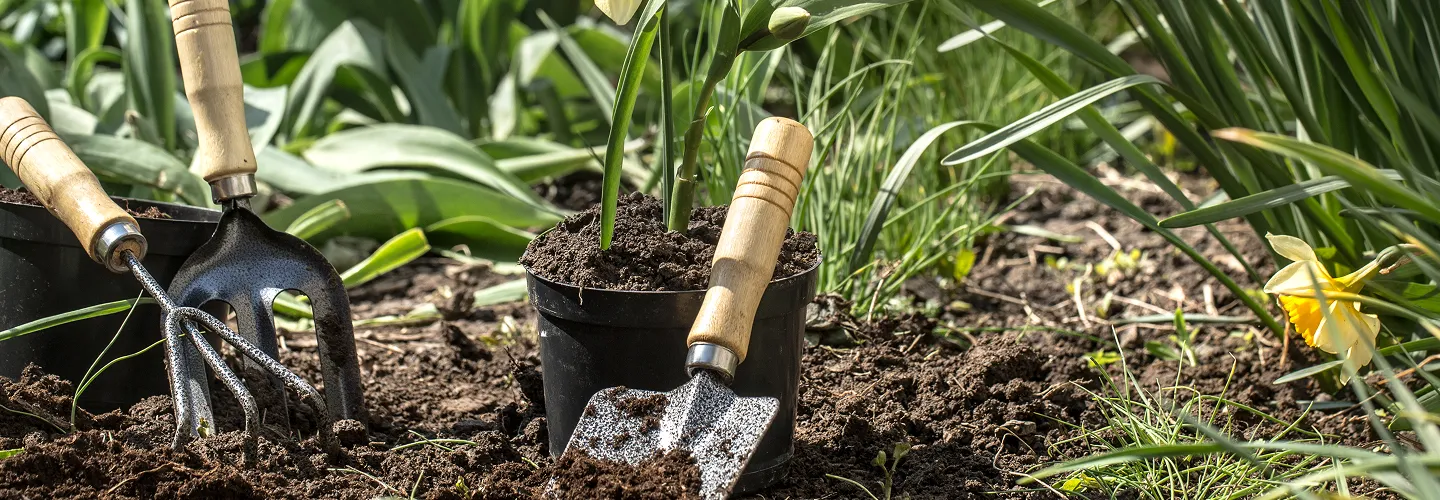
Douglasville Flower Planting Services
Choose our flower planting services for vibrant, healthy blooms that enhance your home's curb appeal and create a welcoming outdoor space, all handled by experienced professionals who care about your satisfaction.
Get a Free QuoteOur Douglasville Landscaping & Yard Care Services
When to Schedule Flower Planting in Douglasville, Georgia – Seasonal Guide
Flower planting in Douglasville, Georgia, is best scheduled with careful attention to our region’s unique climate and landscape. The ideal planting windows are typically early spring, after the last frost date in late March, and early fall, when soil temperatures remain warm but the risk of drought decreases. Neighborhoods like Chapel Hill and Arbor Station often experience microclimates due to varying tree coverage and elevation, so timing can differ slightly across the area.
Local environmental factors play a significant role in successful flower planting. Douglasville’s clay-heavy soils retain moisture but can become compacted, making soil amendment essential for healthy root growth. Humidity levels rise in late spring and summer, increasing the risk of fungal diseases, especially in shaded yards near Sweetwater Creek Park. Monitoring municipal watering restrictions and referencing resources like the Sudbury town website can help homeowners stay compliant and informed about best practices.
Local Factors to Consider for Flower Planting in Douglasville
- Proximity to mature trees and resulting shade coverage
- Soil composition and drainage, especially in neighborhoods with heavy clay
- Average precipitation and risk of summer drought
- Frost dates and temperature fluctuations in early spring and late fall
- Terrain slope and potential for water runoff
- Local municipal watering schedules and restrictions
Benefits of Flower Planting in Douglasville
Expert Local Knowledge
Customized Landscape Designs
Seasonal Plant Selection
Enhanced Curb Appeal
Eco-Friendly Practices
Reliable Maintenance Services

Douglasville Flower Planting Types

Annual Flower Planting
Seasonal annuals provide vibrant color and variety throughout the year.
-
Perennial Flower Beds
Perennials return each year, offering lasting beauty and low maintenance.
-
Native Flower Gardens
Native species thrive in local conditions and support pollinators.
-
Shade Garden Planting
Shade-loving flowers create lush, colorful spaces under trees or structures.
-
Wildflower Meadows
Wildflower mixes bring natural beauty and attract beneficial wildlife.
-
Container Flower Arrangements
Versatile containers allow for creative displays on patios and entryways.
-
Bulb Planting Services
Bulbs like tulips and daffodils offer stunning seasonal blooms.
Our Flower Planting Process
Site Evaluation
Soil Preparation
Plant Selection
Careful Planting
Watering and Mulching
Why Choose Douglasville Landscape Services
-
Douglasville Homeowners Trust Us
-
Expert Lawn Maintenance
-
Reliable Scheduling
-
Competitive Pricing
-
Professional Team
-
Satisfaction Guarantee
-
Personalized Service
Douglasville's Piedmont Red Clay Soils and Flower Bed Preparation Standards
Douglasville sits within Georgia's Piedmont region, where soils are dominated by Cecil and Appling series red clay — dense, acidic, and prone to compaction that restricts root penetration and drainage in planting beds. According to the USDA Web Soil Survey, these soils typically carry a pH between 5.0 and 6.0, which can limit nutrient availability for many flowering species. Effective flower planting in Douglasville requires deliberate soil amendment before installation:
- Incorporate 3–4 inches of compost or aged organic matter to improve drainage and aeration
- Conduct a soil pH test through UGA Cooperative Extension before selecting amendments; lime applications may be needed to raise pH toward 6.0–6.5 for most annuals and perennials
- Avoid tilling wet clay, which causes structural damage and increases compaction
- Raised or mounded beds can improve drainage on flat or low-lying lots
Douglasville falls within USDA Hardiness Zone 7b, confirming that both warm-season annuals and cold-tolerant perennials can be successfully established with proper soil preparation.
Optimal Flower Planting Windows for Douglasville's Long Growing Season
Douglasville's climate, monitored by the National Weather Service Atlanta/Peachtree City forecast office, features warm, humid summers and mild winters typical of Zone 7b. This creates two productive planting windows that property owners and managers should observe:
- Spring window: Mid-March through early May — soil temperatures reach 55–60°F, supporting transplanting of warm-season annuals such as zinnias, marigolds, vinca, and lantana
- Fall window: Mid-September through October — ideal for cool-season annuals including pansies, snapdragons, and ornamental kale, which tolerate light frost and extend color into December
- Avoid planting warm-season species before the last average frost date (approximately mid-March for Douglasville)
- Summer heat above 90°F, common from June through August, stresses newly installed plants; morning watering and 2–3 inches of mulch reduce heat-related failure rates
Timing installations to align with these windows significantly improves establishment success and reduces plant loss from temperature extremes.
Protecting Sweetwater Creek Corridor and Local Drainage Features During Flower Planting
Douglasville is home to Sweetwater Creek State Park and a network of tributary streams and drainage corridors that flow through residential and commercial areas. Flower planting activities near these features must account for runoff and erosion risks, particularly on sloped lots where disturbed soil can carry sediment and fertilizer into storm drains and waterways. The Georgia EPD Watershed Protection Branch administers water quality standards that apply to land disturbance activities, including residential landscaping near sensitive areas.
Practical precautions include:
- Maintain a minimum 25-foot undisturbed buffer from stream banks where feasible
- Avoid applying granular or liquid fertilizers within 10 feet of storm drain inlets or drainage ditches
- Use erosion control measures such as silt fencing or straw wattles on slopes during bed installation
- Select deep-rooted native flowering plants near drainage corridors to stabilize soil
The Douglasville Engineering Department oversees land development and stormwater compliance within city limits and can provide guidance on drainage-sensitive planting areas.
Douglasville Engineering Department
6695 Church Street, Douglasville, GA 30134
Official Website: Douglasville Engineering Department
Heat- and Humidity-Tolerant Flower Selection for Douglasville Landscapes
Selecting species suited to Douglasville's Piedmont climate is essential for long-term bed performance. Summer humidity regularly exceeds 70%, creating conditions favorable to fungal diseases such as powdery mildew and botrytis in susceptible species. The UGA Cooperative Extension recommends prioritizing heat-tolerant, disease-resistant cultivars for Metro Atlanta-area landscapes, which applies directly to Douglasville conditions.
Recommended warm-season species for Douglasville planting beds:
- Vinca (Catharanthus roseus): Highly heat- and drought-tolerant; performs well in full sun through summer
- Lantana: Thrives in clay-amended beds; attracts pollinators and tolerates drought once established
- Coneflower (Echinacea purpurea): Native perennial suited to Piedmont soils; tolerates clay and summer heat
- Black-eyed Susan (Rudbeckia hirta): Native to Georgia; low-maintenance and drought-resilient
- Caladiums: Perform well in shaded beds under mature tree canopy common in older Douglasville neighborhoods
Avoid species with low humidity tolerance such as delphinium or lupine, which decline rapidly in Douglasville's summer conditions. Spacing plants to allow airflow reduces fungal pressure significantly.
Douglasville Code Compliance Standards Affecting Planting Bed Maintenance
The Douglasville Code Compliance Division enforces property maintenance standards that directly affect how planting beds are installed and maintained on residential and commercial properties. Overgrown vegetation, encroachment onto public rights-of-way, and uncontrolled plant material can trigger code enforcement action. Property owners should be aware of the following standards:
- Planting beds must not obstruct sidewalks, curb lines, or street visibility at intersections
- Vegetation in the public right-of-way requires coordination with the Douglasville Public Services Department, which manages right-of-way maintenance and beautification
- Invasive species identified by UGA Extension — such as Chinese privet, English ivy, and Bradford pear — should not be introduced into new planting beds, as they can spread into adjacent natural areas
- Confirm current frontage and setback requirements with the Douglasville Planning and Zoning Division before installing large-scale bed expansions near property lines
Douglasville Code Compliance Division
6695 Church Street, Douglasville, GA 30134
Official Website: Douglasville Code Compliance Division
Douglasville Public Services Department
6695 Church Street, Douglasville, GA 30134
Official Website: Douglasville Public Services Department
What Neighborhoods Do We Serve Throughout Douglasville, GA?
- Historic Downtown Douglasville: Older lots with established tree canopy and compacted red clay soils; shade-tolerant species such as caladiums and impatiens perform well in beds beneath mature oaks and hardwoods.
- Tributary Hills and Chapel Hill Road Corridor: Sloped terrain with erosion-prone red clay; planting beds on grades require erosion control measures and deep-rooted species to stabilize disturbed soil.
- Anneewakee Road Area: Larger residential lots with mixed sun and shade exposure; beds benefit from soil amendment and mulching to retain moisture during summer dry periods.
- Sweetwater Commons and Creek-Adjacent Subdivisions: Proximity to Sweetwater Creek tributaries requires careful fertilizer management and buffer awareness to protect local water quality.
- Mirror Lake and Tributary Subdivisions: Newer subdivision fill soils with variable drainage; raised bed construction and organic matter incorporation are often necessary before planting.
- Stewart Mill Road Neighborhoods: Established residential areas with mature landscaping; existing bed renovation often requires clay amendment and pH correction before introducing new flowering species.
- Bright Star Road Corridor: Mixed residential and transitional development with open sun exposure; well-suited to heat-tolerant annuals and native perennials with minimal irrigation requirements once established.