
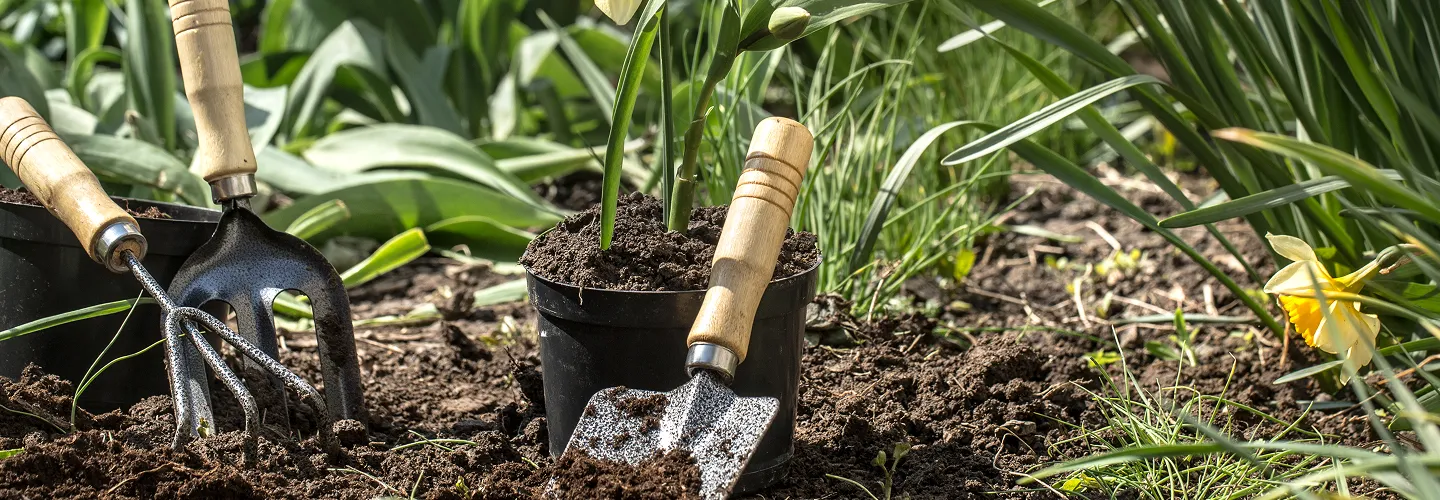
Douglasville Green Waste Disposal Services
Choose our Green Waste Disposal for reliable, environmentally responsible service that keeps your property clean while supporting a healthier community and planet.
Get a Free QuoteOur Douglasville Landscaping & Yard Care Services
When to Schedule Green Waste Disposal in Douglasville, Georgia – Seasonal Guide
In Douglasville, Georgia, the best times to schedule green waste disposal are closely tied to our region’s unique climate and landscape. Spring and late fall are typically optimal, as these periods align with peak yard maintenance and cleanup needs. Early spring, just after the last frost date, is ideal for clearing away winter debris and preparing your landscape for new growth. In neighborhoods like Chapel Hills and around Sweetwater Creek State Park, homeowners often find that late October through November is perfect for disposing of fallen leaves and pruning waste before winter sets in.
Local environmental factors play a significant role in determining the right timing for green waste disposal. Douglasville’s humid summers and occasional drought conditions can affect how quickly organic material decomposes, while shaded lots in areas like Arbor Station may accumulate more debris due to dense tree coverage. Soil type, especially the clay-heavy soils common in our area, can also impact how yard waste breaks down. For more information on local guidelines and best practices, visit the official municipal resource.
Local Factors to Consider for Green Waste Disposal in Douglasville
- Tree density and types of vegetation on your property
- Proximity to landmarks such as Hunter Memorial Park or the Douglasville Downtown District
- Seasonal precipitation patterns and risk of drought
- Municipal restrictions or scheduled pickup dates
- Terrain and accessibility for disposal vehicles
- Shade coverage and its effect on debris accumulation
- Soil type and drainage characteristics
Benefits of Green Waste Disposal in Douglasville

Eco-Friendly Landscaping Solutions
Efficient Yard Waste Removal
Promotes Healthy Plant Growth
Reduces Landfill Waste
Improves Curb Appeal
Supports Local Sustainability
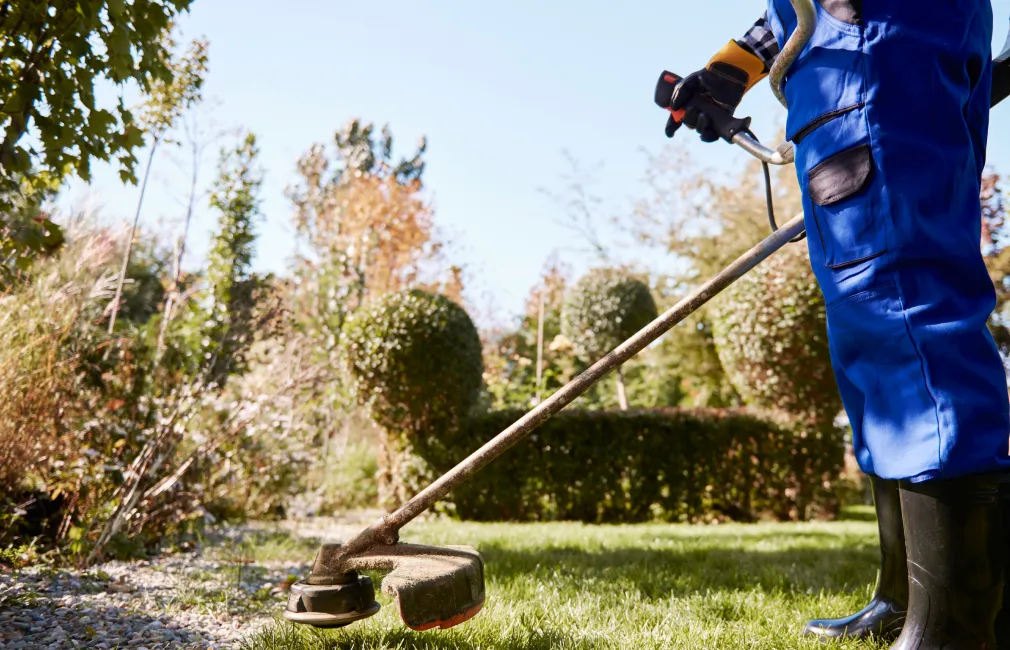
Douglasville Green Waste Disposal Types

Grass Clippings
-
Tree Branches
-
Leaves Collection
-
Shrub Trimmings
-
Garden Debris
-
Mulch Recycling
-
Compostable Materials
Our Green Waste Disposal Process
Collection of Green Waste
Sorting and Separation
Transport to Disposal Facility
Eco-Friendly Processing
Why Choose Douglasville Landscape Services

-
Douglasville Homeowners Trust Us
-
Expert Lawn Maintenance
-
Reliable Scheduling
-
Competitive Pricing
-
Professional Team
-
Satisfaction Guarantee
-
Personalized Service
Douglasville Public Services Department Green Waste Collection Procedures and Requirements
Residents and property managers in Douglasville must follow established procedures when placing green waste materials at the curb for municipal collection. The Douglasville Public Services Department oversees sanitation and right-of-way maintenance, including yard debris pickup. Green waste accepted through curbside programs typically includes grass clippings, leaves, small branches, and garden trimmings. To ensure timely collection, residents should observe the following placement standards:
- Brush and limb bundles must not exceed 4 feet in length and should be tied securely
- Loose leaf and grass debris should be bagged or containerized separately from household waste
- Green waste must be placed at the curb edge without blocking storm drains, sidewalks, or roadway travel lanes
- Oversized loads or post-storm debris volumes may require a separate scheduled pickup request
Verify current collection day schedules and any seasonal service adjustments directly with the department, as routing and frequency may change throughout the year.
Douglasville Public Services Department
6695 Church Street, Douglasville, GA 30134
Phone: (770) 920-3000
Official Website: Douglasville Public Services Department
How Douglasville's Piedmont Red Clay Soils Affect Green Waste Volume and Disposal Timing
Douglasville sits within Georgia's Piedmont physiographic region and is characterized by Ultisol-class soils, particularly the Cecil and Appling series — dense red clay loams with limited natural drainage and high compaction potential. According to the USDA Web Soil Survey, these soils have low permeability and are prone to surface runoff, which directly affects how and when green waste should be managed. Douglasville falls within USDA Plant Hardiness Zone 7b, supporting a long warm-season growing period that generates substantial organic debris from April through October.
Key disposal timing considerations include:
- Peak leaf fall from deciduous trees typically occurs between late October and mid-December, creating the highest green waste volumes of the year
- Warm-season turf clippings accumulate rapidly from May through September and should not be allowed to pile near drainage ditches or storm inlets
- Heavy clay soils slow decomposition of on-site organic matter, making timely removal more important than in sandier regions
- Wet spring conditions can delay curbside collection; residents should monitor city service alerts accordingly
Consult the USDA Plant Hardiness Zone Map for zone-specific growing season data relevant to Douglas County.
Protecting Sweetwater Creek Corridor and Local Storm Drains During Green Waste Disposal
Douglasville is situated within the Chattahoochee River basin, and Sweetwater Creek — a significant local waterway running through Sweetwater Creek State Park and adjacent residential corridors — is particularly sensitive to organic debris loading and runoff contamination. Improper green waste disposal near drainage channels, detention ponds, or creek banks can introduce excess nutrients and sediment into protected waterways, triggering compliance concerns under the Clean Water Act and Georgia's stormwater regulations administered by the Georgia EPD Watershed Protection Branch.
Residents and contractors must observe the following environmental precautions:
- Do not deposit grass clippings, leaves, or brush within 25 feet of any stream bank, drainage ditch, or stormwater inlet
- Avoid blowing or raking debris into roadside ditches that drain toward Sweetwater Creek or its tributaries
- Bagged or containerized green waste reduces the risk of wind or rain dispersal into drainage corridors
- Large-volume debris piles left near detention features may attract code compliance review
The EPA NPDES Program governs stormwater discharge standards applicable to municipal systems throughout Douglas County.
Douglasville Code Compliance Standards for Nuisance Vegetation and Debris Accumulation
The Douglasville Code Compliance Division enforces municipal property maintenance standards that directly affect how green waste is managed on residential and commercial parcels. Accumulated yard debris, overgrown vegetation, and unmanaged organic material can constitute a code violation subject to notice and abatement procedures. Property owners should be aware of the following compliance thresholds and expectations:
- Grass and weeds exceeding 12 inches in height on maintained lots may be subject to nuisance citation
- Brush piles, leaf accumulations, and limb debris left on private property for extended periods can trigger code enforcement action
- Green waste stored in side or rear yards must not create harborage conditions for pests or obstruct drainage flow paths
- Vacant lots and rental properties are subject to the same maintenance standards as owner-occupied parcels
Property managers overseeing multiple units or commercial sites should establish a regular green waste removal schedule to remain in compliance. The Code Compliance Division accepts complaints and conducts proactive inspections throughout the city.
Douglasville Code Compliance Division
8700 Hospital Drive, Douglasville, GA 30134
Phone: (770) 920-3000
Official Website: Douglasville Code Compliance Division
Georgia EPD Solid Waste Regulations and Green Waste Diversion Standards
Georgia's solid waste management framework, administered by the Georgia EPD, establishes statewide requirements for the diversion of yard trimmings from landfill disposal. Under Georgia law, yard waste — including grass clippings, leaves, brush, and garden debris — is subject to diversion mandates that encourage composting, mulching, and separate collection rather than co-disposal with municipal solid waste. Municipalities and waste haulers operating in Douglas County must comply with these standards, which affect how green waste is collected, processed, and reported.
Practical implications for Douglasville residents and property managers include:
- Green waste should never be mixed with household garbage bags intended for landfill disposal
- Composting of grass clippings and leaf material on-site is an approved diversion method consistent with Georgia EPD guidance
- UGA Cooperative Extension provides composting guidance tailored to Georgia's climate and soil conditions, including recommendations for Piedmont red clay environments
- Large-scale green waste generators, such as commercial landscapers, may be subject to additional reporting or diversion documentation requirements
Confirm current diversion requirements and approved disposal facilities with the Georgia EPD Solid Waste Management Program.
Georgia Environmental Protection Division
2 Martin Luther King Jr. Drive SE, Suite 1456, Atlanta, GA 30334
Phone: (404) 657-5947
Official Website: Georgia EPD
What Neighborhoods Do We Serve Throughout Douglasville, GA?
Green waste disposal services are provided across Douglasville's diverse residential and mixed-use neighborhoods, each presenting distinct site conditions and debris management considerations:
- Chapel Hills: A well-established subdivision with mature hardwood canopy generating significant leaf fall volumes from October through December, requiring consistent seasonal debris removal.
- Tributary: A newer planned community with HOA-maintained common areas and detention pond corridors where green waste placement near stormwater features requires careful management.
- Anneewakee Trails: A wooded residential area adjacent to forested corridors where limb debris and pine needle accumulation are common, particularly following summer storm events.
- Historic Downtown Douglasville: Older residential lots with established trees, narrow right-of-way access, and proximity to city infrastructure requiring precise curbside placement compliance.
- Bright Star Road Corridor: A mixed residential and transitional zone with varying lot sizes and drainage ditch frontage where debris containment near roadside channels is a priority.
- Mirror Lake: A golf-course community with HOA standards and pond-adjacent lots where organic debris management near water features is subject to both community rules and city code.
- Stewart Mill Road Area: Larger rural-residential parcels with wooded edges and seasonal brush accumulation from land clearing and storm damage requiring coordinated haul-away scheduling.