
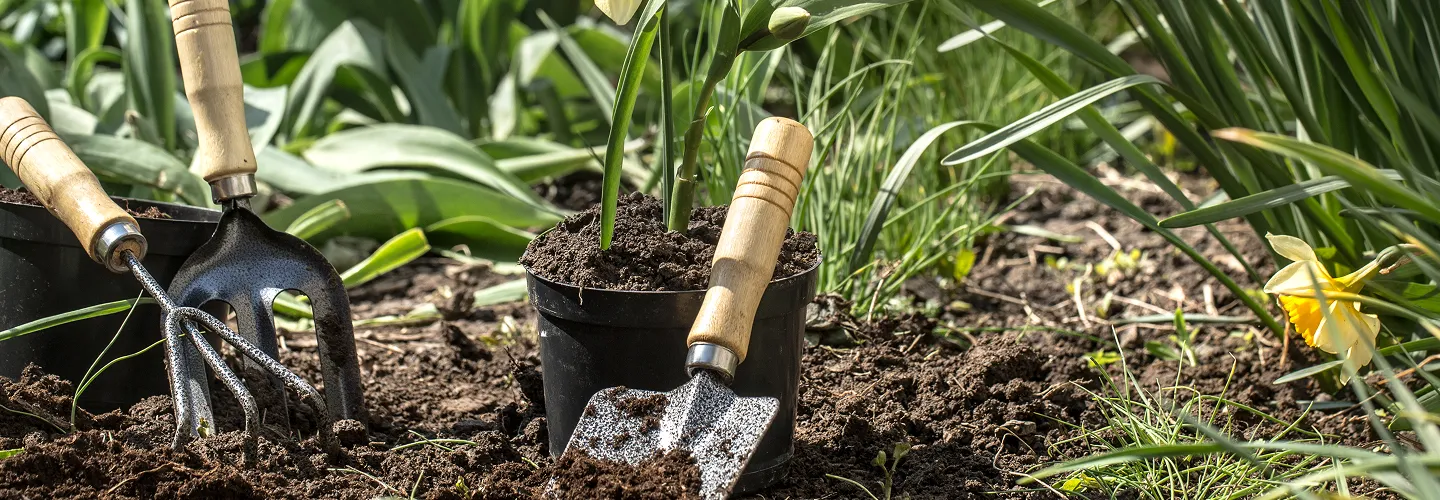
Douglasville Weeding Services
Choose our expert weeding services for a healthier, more beautiful landscape—our experienced team removes unwanted growth efficiently, ensuring your plants thrive and your yard stays immaculate all season long.
Get a Free QuoteOur Douglasville Landscaping & Yard Care Services
When to Schedule Weeding in Douglasville, Georgia – Seasonal Guide
In Douglasville, Georgia, the best times to schedule weeding are closely tied to our region’s unique climate and landscape features. Early spring and late fall are generally optimal, as these periods align with the local frost dates and the natural growth cycles of both weeds and desirable plants. Neighborhoods near Sweetwater Creek State Park and the Arbor Place area often experience early weed emergence due to the combination of rich soils and moderate shade, making timely intervention essential.
Local environmental factors such as high summer humidity, occasional drought risk, and the clay-heavy soils common in subdivisions like Chapel Hills can all impact weed growth and removal strategies. Homeowners should also consider Douglasville’s variable precipitation patterns and the shade coverage provided by mature tree canopies, especially in established communities. For more information on local environmental guidelines, visit the Sudbury municipal site.
Local Factors to Consider for Weeding in Douglasville
- Tree density and shade coverage, especially in older neighborhoods
- Soil type (clay vs. loam) affecting weed root systems
- Seasonal precipitation and drought risk
- Proximity to creeks or wetlands, such as Sweetwater Creek
- Municipal restrictions on herbicide use
- Terrain and slope, which can influence water runoff and weed spread
Benefits of Weeding in Douglasville
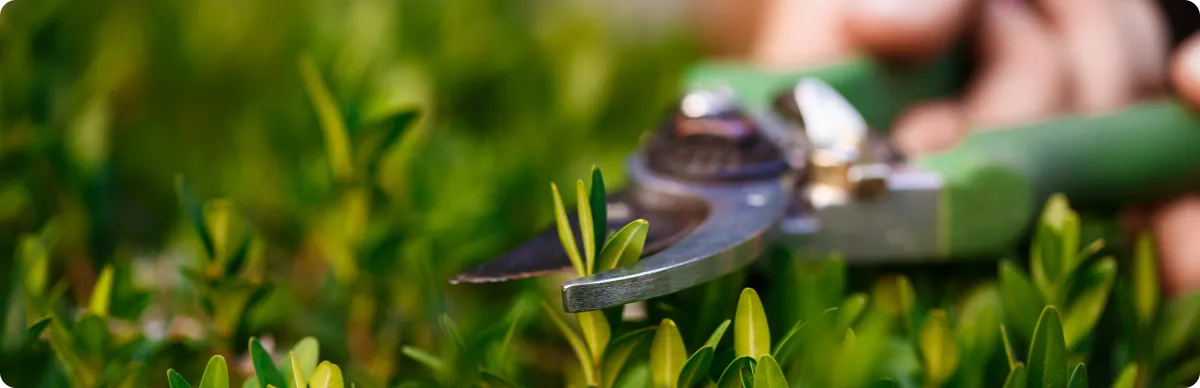
Enhanced Curb Appeal
Healthier Plant Growth
Reduced Pest Infestation
Improved Soil Quality
Professional and Reliable Service
Time and Effort Savings
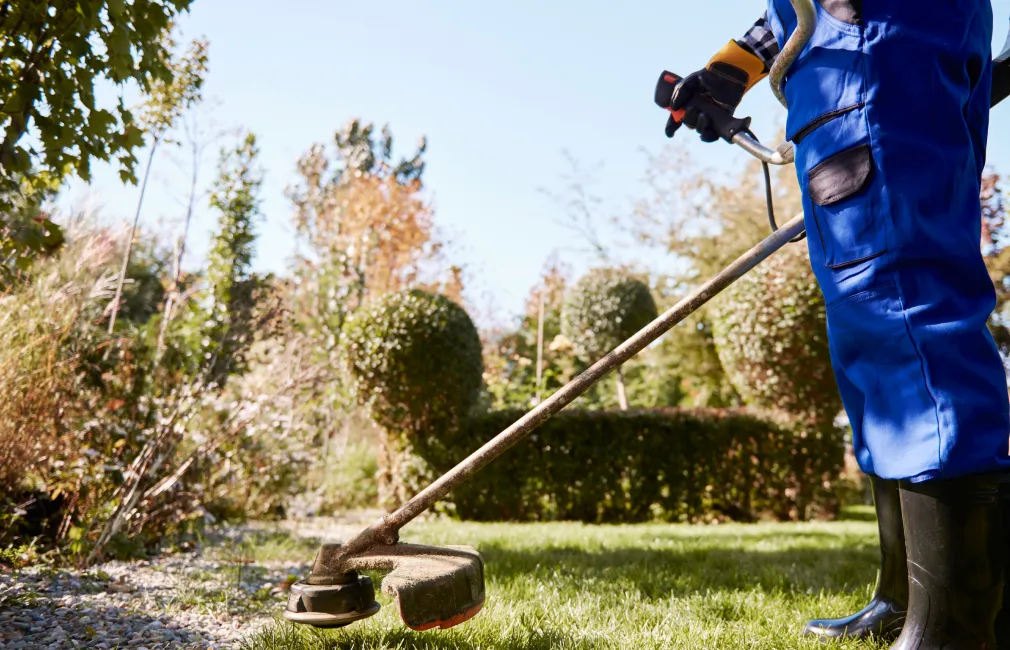
Douglasville Weeding Types

Hand Weeding
-
Mulch Application
-
Pre-Emergent Weed Control
-
Post-Emergent Herbicide Treatment
-
Mechanical Weeding
-
Landscape Fabric Installation
-
Selective Weed Removal
Our Weeding Process
Site Evaluation
Weed Identification
Targeted Removal
Soil Treatment
Final Inspection
Why Choose Douglasville Landscape Services
-
Douglasville Homeowners Trust Us
-
Expert Lawn Maintenance
-
Reliable Scheduling
-
Competitive Pricing
-
Professional Team
-
Satisfaction Guarantee
-
Personalized Service
Douglasville's Red Clay Soils and Weed Pressure in Planting Beds
Douglasville sits within Georgia's Piedmont region, where soils are dominated by the Cecil and Appling series — dense, acidic red clay with pH levels typically ranging from 5.0 to 6.0. These compacted clay soils create conditions that simultaneously suppress desirable plant establishment and favor aggressive weed species such as nutsedge, crabgrass, and broadleaf plantain. Compaction limits water infiltration, causing surface moisture to pool briefly after rainfall before evaporating — a cycle that encourages shallow-rooted annual weeds to germinate repeatedly throughout the growing season. Property owners managing planting beds in Douglasville should be aware that:
- Clay compaction reduces mulch effectiveness as a weed barrier
- Soil pH below 5.5 can favor certain weed species over cultivated plants
- Poorly drained low spots are particularly vulnerable to nutsedge and sedge infestations
- Amending soil structure with compost improves drainage and reduces weed germination rates
Consulting the USDA Web Soil Survey can help property owners identify specific soil series on their lots and plan weeding and bed management accordingly.
Optimal Weeding Timing for Douglasville's Long Warm-Season Growth Window
Douglasville falls within USDA Hardiness Zone 7b, with warm, humid summers and mild winters that extend the active weed growth period from approximately March through October. According to UGA Cooperative Extension, warm-season annual weeds such as crabgrass and goosegrass germinate when soil temperatures consistently reach 55–60°F, typically in late February to early March in the Douglasville area. Perennial weeds including bermudagrass and nutsedge resume active growth by April and remain aggressive through September. Effective weeding in Douglasville requires a seasonal approach:
- Late February to March: Pre-emergent weed control window for annual grassy weeds
- April through June: Peak hand-weeding and cultivation period before summer heat intensifies
- July through August: Spot treatment and mulch maintenance to suppress heat-tolerant weeds
- September through October: Final removal of summer annuals before seed set
Allowing weeds to set seed in late summer significantly increases the following year's weed pressure, making timely late-season removal a critical step in long-term bed management.
Douglasville Code Compliance and Nuisance Vegetation Standards for Property Owners
The Douglasville Code Compliance Division enforces municipal property maintenance standards that directly affect weed and vegetation management on private parcels. Overgrown vegetation, including weeds exceeding established height thresholds, can constitute a code violation subject to notice and abatement procedures. Property owners and managers should be aware that:
- Nuisance vegetation complaints may be filed by neighbors or identified through routine code inspections
- Violations typically require correction within a specified timeframe noted in the written notice
- Failure to remediate can result in the city performing abatement and billing the property owner
- Vacant lots and rental properties are subject to the same maintenance standards as owner-occupied parcels
Frontage areas along public rights-of-way are also subject to maintenance requirements. Property owners are responsible for vegetation management up to the edge of the public right-of-way in most cases. Verify current ordinance thresholds and notice procedures directly with the Code Compliance Division.
Douglasville Code Compliance Division
8700 Hospital Drive, Douglasville, GA 30134
Official Website: Douglasville Code Compliance Division
Protecting Sweetwater Creek Corridor and Douglasville Storm Drains During Weed Removal
Douglasville's landscape includes Sweetwater Creek and its tributaries, which drain through residential and commercial areas before connecting to broader watershed systems protected under the Clean Water Act. Weed removal activities that involve herbicide application near drainage features, detention ponds, or creek corridors require careful attention to runoff risk. The Georgia EPD Watershed Protection Branch oversees water quality standards applicable to stormwater discharges in the region. Practical precautions for weeding near drainage features in Douglasville include:
- Avoid herbicide application within 10–25 feet of stream banks, drainage ditches, or stormwater inlets unless using products specifically labeled for aquatic or riparian use
- Do not dispose of pulled weeds or plant debris into storm drains, drainage channels, or creek corridors
- Hand-weeding is preferred over chemical treatment in areas immediately adjacent to detention ponds and wet swales
- Weed debris containing seed heads should be bagged and disposed of through solid waste collection rather than composted on-site near water features
The Douglasville Engineering Department manages stormwater infrastructure and can provide guidance on drainage features and buffer expectations for specific parcels.
Douglasville Engineering Department
8700 Hospital Drive, Douglasville, GA 30134
Official Website: Douglasville Engineering Department
Georgia Pesticide Licensing Requirements for Professional Herbicide Application
When weeding services in Douglasville involve the application of chemical herbicides — including pre-emergent or post-emergent products — Georgia law requires that applicators hold appropriate licensing under the Georgia Pesticide Use and Application Act of 1976. The Georgia Department of Agriculture - Licensing, Certification and Employee Registration administers pesticide applicator certification for commercial operators. Property owners hiring weeding professionals should verify:
- The contractor holds a valid Georgia pesticide applicator license for the appropriate category
- Products used are registered for the target weed species and application site
- Label directions are followed precisely, including buffer distances and re-entry intervals
- Application records are maintained as required by state regulation
Unlicensed commercial herbicide application is a violation of state law. Residents performing their own herbicide applications on their own property are generally exempt from licensing requirements but must still follow all product label instructions, which carry the force of federal law under EPA registration standards.
What Neighborhoods Do We Serve Throughout Douglasville, GA?
- Historic Downtown Douglasville: Older residential lots with established tree canopy and compacted clay soils create persistent weed pressure in planting beds and along foundation edges, requiring careful hand-weeding to protect mature plantings.
- Chapel Hill: A large planned community with HOA-maintained common areas and a mix of wooded and open lots; weed management in turf and ornamental beds is a consistent seasonal requirement given the area's clay-loam soils.
- Tributary / Bright Star Road Corridor: Properties near creek tributaries in this area face nutsedge and sedge pressure in low-lying areas with seasonal moisture accumulation.
- Mirror Lake: A golf-course community with pond-adjacent lots where weed control near water features requires careful product selection to protect aquatic environments.
- Anneewakee Trails: Newer subdivision with fill soils and active turf establishment; annual and perennial weed competition is common in recently graded areas.
- Stewart Mill Road Area: Mixed residential and transitional properties with wooded lot edges that generate persistent broadleaf weed and vine encroachment into maintained beds and lawn areas.